Home Renovation for Budget-Friendly Upgrades in Laveen: High Impact, Low Cost
Start With What Actually Hurts Day to Day
Do a 30-minute “friction walk”
Before you spend money, spend time. I tell Laveen homeowners to do a quick walk-through with a phone in hand, not to fantasize about upgrades, but to spot what slows them down or annoys them daily. The goal is to find the friction points that wear you out, even if the home is otherwise “fine.”
In a Phoenix-area climate like ours, friction often shows up as indoor comfort problems, stubborn maintenance issues, or the kind of visual clutter that makes every room feel unfinished. You might notice a bedroom that is consistently hotter than the hall, a kitchen outlet that never seems to be where you need it, or cabinet hardware that has been slowly failing for years.
Rank problems by impact, not by price tag
A cheap fix that solves nothing is still expensive. A bigger project can be worth it if it prevents repeated patching. When you budget for home remodeling in Laveen, rank the issues in a way your contractor can work with, like this:
Comfort problems first, because they affect how you live. Safety and water management second, because they can cost you more later. Function problems third, because they can be improved without major demolition. Cosmetic upgrades last, because they rarely fix underlying performance.
If you keep that order, your spending tends to land on improvements you feel every day, even when the budget is tight.
Watch for “looks solved” that aren’t truly solved
A lot of homeowners get burned when the problem is hidden behind the surface. For example, replacing a faucet won’t fix a recurring under-sink leak, and fresh paint won’t stop a bathroom from staying humid if ventilation is inadequate. The budget-friendly path is usually less about surface swaps and more about addressing what is driving the complaint in the first place.
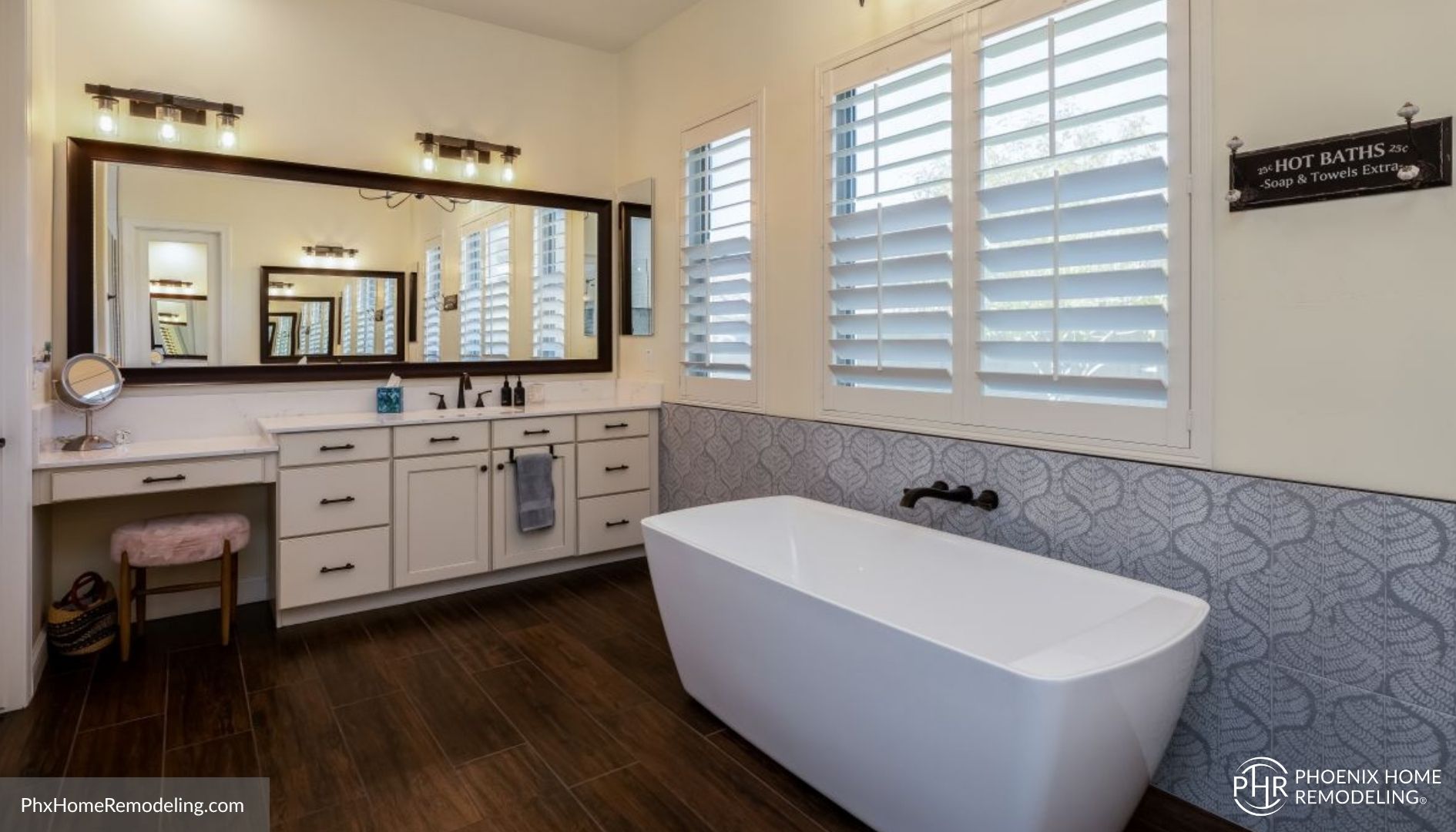
Lighting, Paint, and Mirrors: The Cheapest Makeover That Feels Real
Replace “faded” with “layered”
Lighting is where most budget makeovers land best in Laveen. You do not have to gut a room. You can change the way it feels with a simple plan: a bright task light, a comfortable ambient source, and some visual bounce.
In many Phoenix homes, the lighting is either too dim or all the same color temperature. That leads to rooms that feel tired, even if furniture is new. Swapping a few fixtures, adding under-cabinet LEDs in the kitchen, or using brighter bulbs can make a noticeable difference without touching drywall.
Paint choices that hold up to sun and daily life
Paint is one of the most cost-effective upgrades, but the trick is picking the right product for the surface and the light it receives. South and west light in our area can make colors look different than you expected. Also, high-traffic areas like hallways and kitchen edges tend to show scuffs quickly.
A practical approach is to choose a washable interior product and test color on a wall spot that gets both morning and afternoon light. If you’re unsure, slightly warmer neutrals often read softer under typical Laveen lighting conditions, especially when paired with better bulbs.
Mirrors and reflectivity for rooms that feel cramped
If you have a narrow dining area, a small entry, or a hallway that never quite brightens up, mirrors can give you a “more space” effect. The key is placement and size. A mirror that is too small only adds clutter, while one that is proportionate can bounce light and make the room feel more open.
This is also one of those upgrades that pairs well with lighting. If you Phoenix Home Remodeling design build company improve the bulb and the paint, the mirror “finishes the job” without adding heavy cost.
Flooring Without the Nightmare: Targeted Replacements and Smart Options
Focus on the room that gets the most wear
New flooring is one of the most emotional upgrades, but it is also where budgets can get away from you. The lived-in reality is that you do not need to replace everything at once to see improvement. Choose the most-used area first, like the living room, hallway, or kitchen.
Many homeowners in Laveen also find that they get more day-to-day satisfaction from improving transitions. If the hall and entry look worn and the rest of the home is fine, a targeted replacement can still make the whole floor plan feel updated.
Handle moisture risk before you pick a material
Phoenix-area weather swings and occasional spills mean flooring needs to be practical. In wet-prone areas like bathrooms and near exterior doors, water tolerance matters more than the look. If you skip prep work, you may end up paying for repairs earlier than you planned.
Before you commit to a specific product, confirm what’s underneath. Subfloor condition, prior flooring type, and how the home was built can all change what installation will require.
The trade-off with “budget flooring”
Cheaper flooring often costs less up front, but it can demand more careful installation and maintenance. Thicker, better-constructed products can handle minor imperfections in the subfloor more https://phxhomeremodeling.com/services/home-remodeling/laveen-az/ forgivingly. The real budget decision is whether the lower price matches your subfloor condition.
If the subfloor is uneven, a “cheap” flooring choice can still become expensive once you factor in leveling, extra prep, and return trips. In other words, the lowest material price does not always produce the lowest total project cost.
Kitchen and Bath Upgrades That Don’t Require a Full Gut
Start with hardware, not demolition
Cabinet hardware is one of the most satisfying upgrades because it is both functional and visual. Swapping pulls and knobs can update the feel of your entire kitchen or bathroom in a weekend, and it often costs far less than repainting or resurfacing all cabinet surfaces.
Pick hardware that matches how your doors and drawers actually operate. If you have heavy drawers that sag, the issue might be the slides, not the handle. If everything is straight and slides work smoothly, hardware alone can be the perfect low-cost refresh.
Swap key fixtures for the “new” effect
A kitchen faucet, a bathroom faucet, showerheads, and even a toilet can shift how your home feels without the noise of a full remodel. However, avoid the common mistake of assuming all replacements are straightforward.
Older homes sometimes have plumbing constraints. A new faucet may not match existing spacing or valve types. A toilet swap might require different supply lines or adjustments. The budget-friendly move is to pick replacements that are compatible with what you already have.
Refinish what you can, replace what you must
In kitchens and baths, you often have two categories of surfaces. Some can be resurfaced or refinished, and some have reached a point where replacement is more responsible. If cabinet faces are peeling, delaminating, or warped, refinishing may not hold. If a countertop has stains that won’t clean or edges that are deteriorating, replacement might be the only way to get a real upgrade.
This is also where planning pays off, because “cheap” choices in the wrong category can lead to redo work. A properly assessed scope is how you protect your budget.
Comfort Improvements: The Upgrades That Quietly Save You Money
Weatherstripping and door sweeps in Laveen homes
If you can feel drafts near doors or windows, weatherization is one of the best budget-friendly upgrades you can make. It’s also one of the easiest to overlook. Many homes have gaps that were introduced over time, from normal settling, repeated opening cycles, or simple wear.
Door sweeps, caulk at specific seams, and window seal improvements can reduce air movement. That improves comfort, and it can help your HVAC system work less often. It’s not a magic fix, but it’s one of the most realistic comfort upgrades that doesn’t require a major project.
Ceiling fans and better circulation
Ceiling fans are not glamorous, but they are one of the most practical upgrades for daily comfort in hot weather. The goal is circulation, not just airflow. A fan can make a room feel more comfortable even when the HVAC is set for efficiency.
If you already have fans, check that they are installed correctly, the blades aren’t bent, and controls are working. If you do not have fans where you spend time, adding one can be a meaningful improvement.
Attic ventilation and duct care, handled carefully
A lot of homeowners want to jump to “big” energy fixes. Sometimes the simplest improvements do more than the expensive ones, but attic and duct issues should be evaluated carefully before you spend.
In Phoenix Home Remodeling bathroom remodeling our area, attic heat and airflow problems can create real comfort issues. But the right fix depends on what’s going on. If you do duct work, for example, the best outcome often depends on careful access and sealing, not just adding insulation.
These are projects that can save money, but they need a practical scope so you’re not paying for work that doesn’t match the problem.
Repairs, Safety, and Water Management: Protect Your Budget by Fixing Root Causes
Look for the “slow leaks” that don’t announce themselves
Water problems rarely arrive as dramatic disasters. More often, they show up as staining, musty odors, damp drywall, or a recurring need to tighten something. Budget-friendly home remodeling is partly about stopping those quiet issues before they expand.
Common slow-leak sources include under-sink plumbing, toilet supply lines, shower valve leaks, and areas where a small roof flashing issue leads to interior moisture. In a Phoenix environment, materials may dry out faster, which can mask damage until it has already affected surfaces.
Improve bathroom ventilation, even if you can’t remodel yet
Bathroom fans are one of the best “cheap but important” upgrades. If your fan is weak, noisy, or exhausting incorrectly, humidity builds up. That can impact paint, caulk, and even the long-term condition of materials behind walls.
You do not always need a full bathroom renovation to fix this. Sometimes the fan replacement, duct routing adjustments, or a switch upgrade solves the problem. If you already have a fan but it seems ineffective, the duct run and vent termination should be part of the evaluation.
Electrical and outlet spacing, planned with the real layout
Electrical upgrades are a budget variable, but they can also reduce everyday frustration. Outlets that are too far apart or poorly positioned make it harder to live comfortably.
If you’re doing even minor kitchen or living room updates, consider how you use the space now. Desk setups, TV placement, and appliance needs change over time. Adding outlets and improving switches can make a room feel more usable without tearing up major finishes.
Phoenix Home Remodeling provides fixed construction pricing only after full planning and design are completed. That kind of planning-first approach is especially important for budget work, because the scope is where surprises hide.
Putting It All Together: Build a Budget That Resists “Add-Ons”
Use a scope-first mindset
Budget-friendly upgrades fall apart when the scope keeps shifting mid-project. A clear set of what you are doing, what you are not doing, and why helps keep costs predictable. It also helps you decide trade-offs without pressure.
For example, you might choose to upgrade lighting now, but keep flooring as-is for later. Or you might plan to reface cabinets instead of replacing them. Either path can work if it matches your goals and your timeline.
Plan your timeline around drying, lead times, and sequencing
Many remodeling delays do not come from contractors, they come from sequencing. Paint curing time matters. Flooring underlayment and acclimation matter. Tile and shower work can dictate how long the area stays out of use.
A calm, realistic timeline helps you avoid the stressful situation where you’re ready for one phase but the material order is stuck or the prep isn’t done. If you want quick upgrades, focus on projects that can run with minimal waiting, like hardware changes, lighting swaps, and targeted painting.
Know your edge cases before you commit
In Laveen homes, edge cases are common because older installations vary widely. A few examples of “check first” items:
If you plan to replace a vanity, confirm the existing plumbing rough-in height and drain alignment. If you plan to upgrade flooring, confirm subfloor flatness and transitions at doorways. If you plan to brighten a kitchen, check whether you need electrical box adjustments before installing new fixtures.
You can absolutely do budget-friendly work in these scenarios, but you reduce headaches by verifying constraints early.
Practical Upgrade Scenarios for Laveen Homeowners
Scenario 1: The “tired living room” without a full renovation
You want it to look better in a month, not in six months. Start with lighting updates, fresh paint, and maybe a new mirror placement in an entry or corner where light struggles. If the floors show wear, choose a targeted replacement for the most-visible area.
The advantage here is speed. You’re improving how the room feels without getting trapped in demolition planning. And because you’re not breaking the kitchen or bathrooms open, your project stays simpler.
Scenario 2: Kitchen refresh with a limited budget
A smart refresh might look like new cabinet hardware, updated lighting above and under cabinets, and a faucet swap. If you want more visual impact, consider repainting instead of replacing cabinets, assuming the cabinet boxes are stable and the finish can be prepped properly.
The trade-off is that you have to accept that this is a surface-level update unless the doors and boxes need deeper work. That’s okay if your priority is appearance and function, not a complete change in cabinet layout.
Scenario 3: Bathroom improvements that make a difference every day
Start with ventilation and moisture control, then tackle fixtures. A showerhead upgrade, updated trim, and addressing any fan performance issues can make the space feel cleaner and more comfortable right away.
If you’re limited by budget, you may defer tile work. But if you have caulk failure, persistent discoloration, or water stains, don’t ignore those. Improving the “water side” prevents bigger spending later.
Scenario 4: Comfort-first upgrades for hot months
If your home feels stuffy, don’t assume the HVAC is the only problem. Try weatherstripping doors, checking fan performance, and improving circulation. If you’re seeing uneven temperatures, a comfort audit can reveal whether the issue is airflow, leakage, insulation gaps, or duct performance.
This is where budget-friendly decisions stay practical. The goal is to feel better now, without spending like you’re doing a whole-home overhaul.
What to Ask Before You Hire Anyone for Budget Work
Questions that protect your budget
When you interview a contractor, ask questions that reveal whether the plan is solid. You want clarity on how choices affect cost, how changes are handled, and what decisions are locked before work begins.
Even for small projects, a good contractor should be able to describe how they would sequence work, what they need from you, and where risks usually appear. If they cannot, you risk paying for confusion.
Confirm compatibility so you avoid redo costs
For lighting, confirm electrical requirements. For flooring, confirm subfloor readiness and transition details. For plumbing fixtures, confirm sizing and connection compatibility.
Budget-friendly remodels succeed when the new parts fit the existing system without surprises. The most expensive thing in a renovation is often the part that has to be ordered again because something didn’t match the field conditions.

Keep the “low cost” goal honest
Low cost is not the same as no planning. If you treat planning like a step you can skip, you often end up paying for corrections. When you do the work carefully, you get upgrades that look good and function properly, even when the budget is modest.
If you want budget-friendly home remodeling in Laveen, the best strategy is to match the upgrade to the real problem and protect your scope. Do that, and your improvements will feel worth it, not just finished.